
 Pyramides – Opera – Palais Royal
Hair transplant in Paris or Istanbul: what should you actually compare?
Istanbul has become one of the world’s largest destinations for hair transplantation. Paris offers a very different type of experience. But choosing between the two should not begin with a country. It should begin with a clinic.
Excellent hair-transplant teams can be found in different countries, just as poor planning can exist anywhere.
The relevant question is therefore not:
“Is Paris better than Istanbul?”
It is:
“Which clinic is proposing the most coherent transplant plan for my situation?”
This guide explains what to compare.
Start with the medical assessment
The first difference between two clinics often appears before the procedure itself.
A proper transplant plan should begin with questions such as:
- What type of hair loss does the patient have?
- Is it still progressing?
- Is the donor area suitable?
- How much native hair remains?
- Is transplantation appropriate now?
- What areas should actually be treated?
A quote based mainly on photographs and a requested graft number may be convenient, but it provides less information than a medical assessment that examines the broader hair-loss strategy.
At Regenae, the transplant journey begins with a doctor-led medical assessment.

Compare the transplant plan, not the headline graft count
A higher graft number is not automatically a better proposal.
Two clinics may recommend different numbers because they are proposing:
- different hairlines;
- different recipient areas;
- different densities;
- different treatment of the vertex;
- or different levels of donor preservation.
Before comparing 3,000 grafts with 4,000 grafts, compare the actual drawings and areas being treated.
The best question is not:
“Which clinic gives me more grafts?”
but“Why is this number appropriate for my project?”
Look closely at the donor-area strategy
Every hair transplant uses a limited donor resource.
This matters particularly for younger patients and anyone with extensive or progressive hair loss.
A strong plan should explain:
- why the proposed extraction is reasonable;
- how the donor area has been assessed;
- what visual density should remain after harvesting;
- and what reserve may remain available for the future.
The country does not determine whether donor management is good or bad.
The transplant plan does.
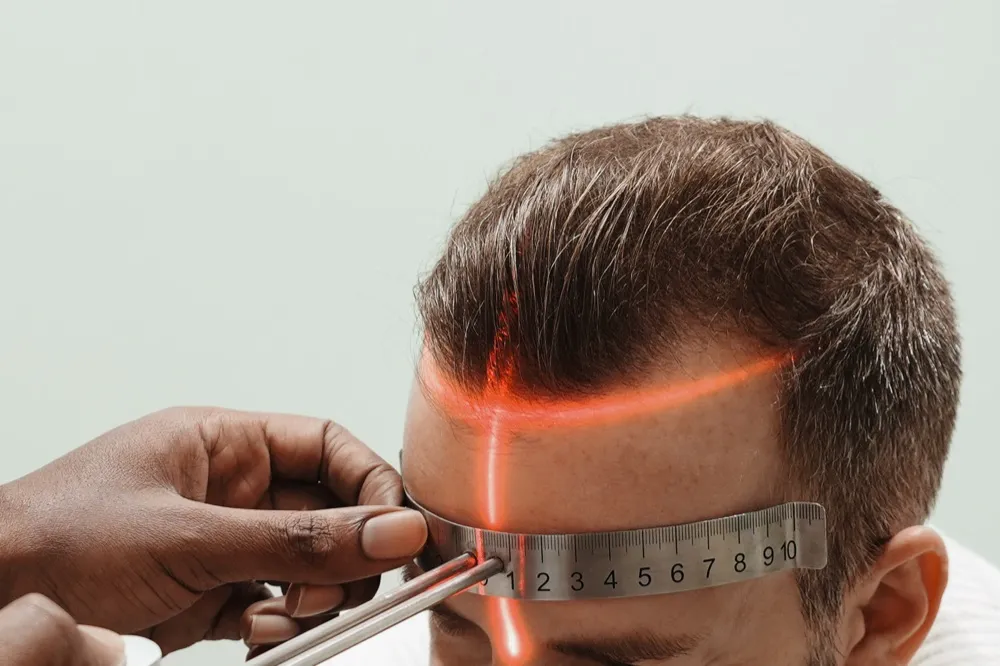
Understand how the medical team is organized
Hair transplantation is a team procedure.
When comparing clinics, patients should understand:
- who performs the medical assessment;
- who establishes the treatment plan;
- how the transplant team is organized;
- what experience the team has;
- and how medical oversight is maintained throughout the patient journey.
Avoid reducing this question to “doctor versus technician.”
The relevant issue is whether the organization is clear, medically structured and appropriate for the procedure being proposed.
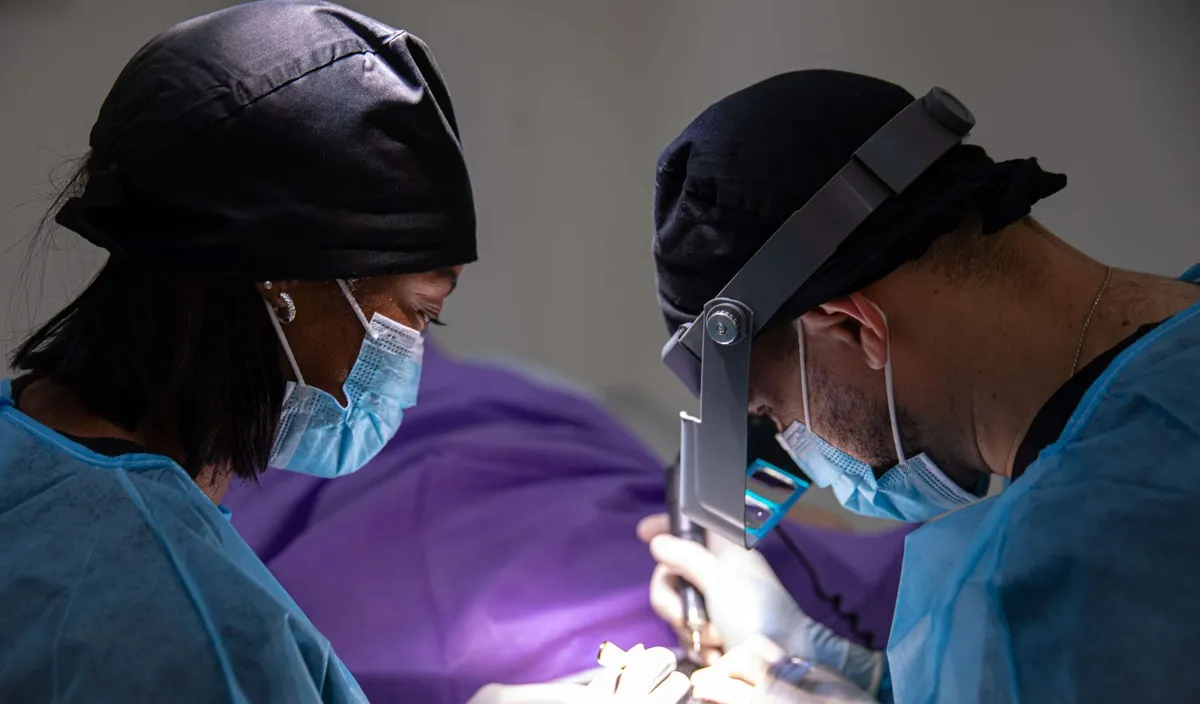
At Regenae, the medical indication and transplant strategy are doctor-led, while the procedure is carried out by a specialized medical team following the Regenae protocol.
Compare documented results that resemble your case
A clinic’s strongest result may not tell you very much about your own situation.
A useful comparison looks at patients with similar:
- hair-loss patterns;
- graft counts;
- hair caliber;
- donor characteristics;
- recipient areas;
- and stages of follow-up.
Pay attention to:
- the hairline;
- density;
- donor appearance;
- consistency between photographs;
- and how the result develops over time.
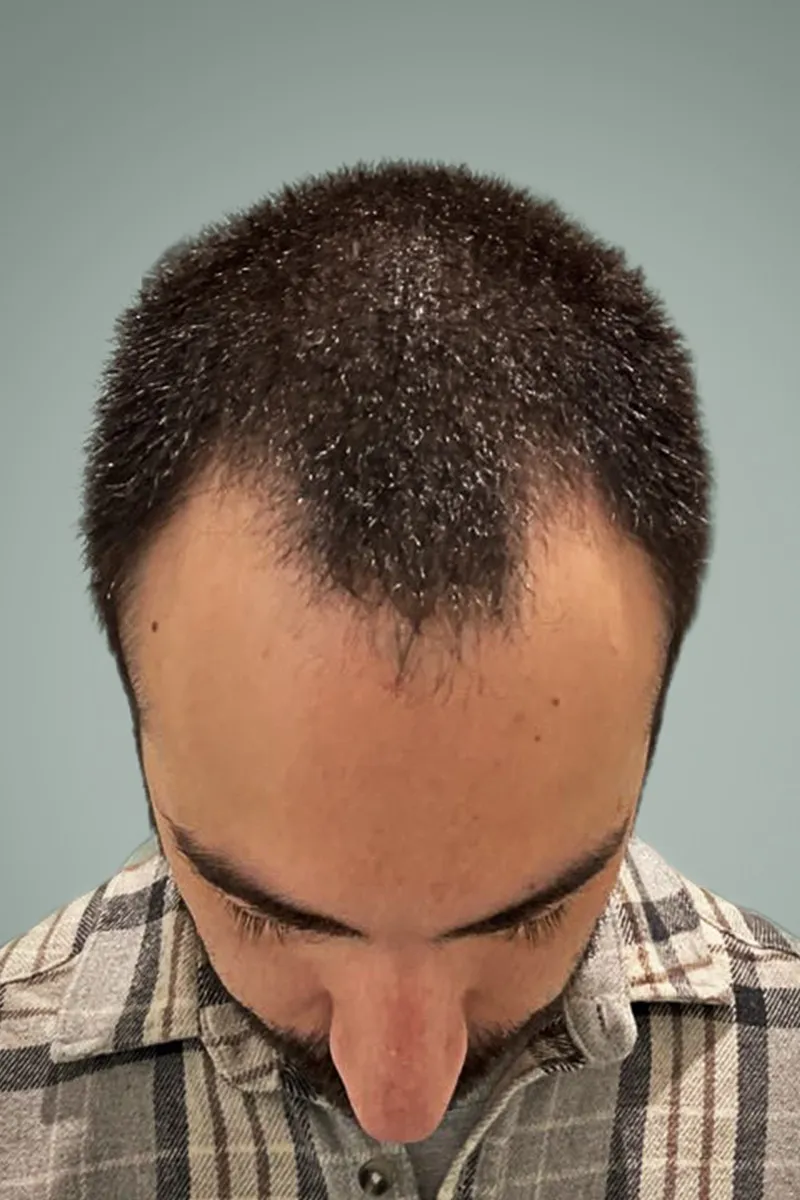
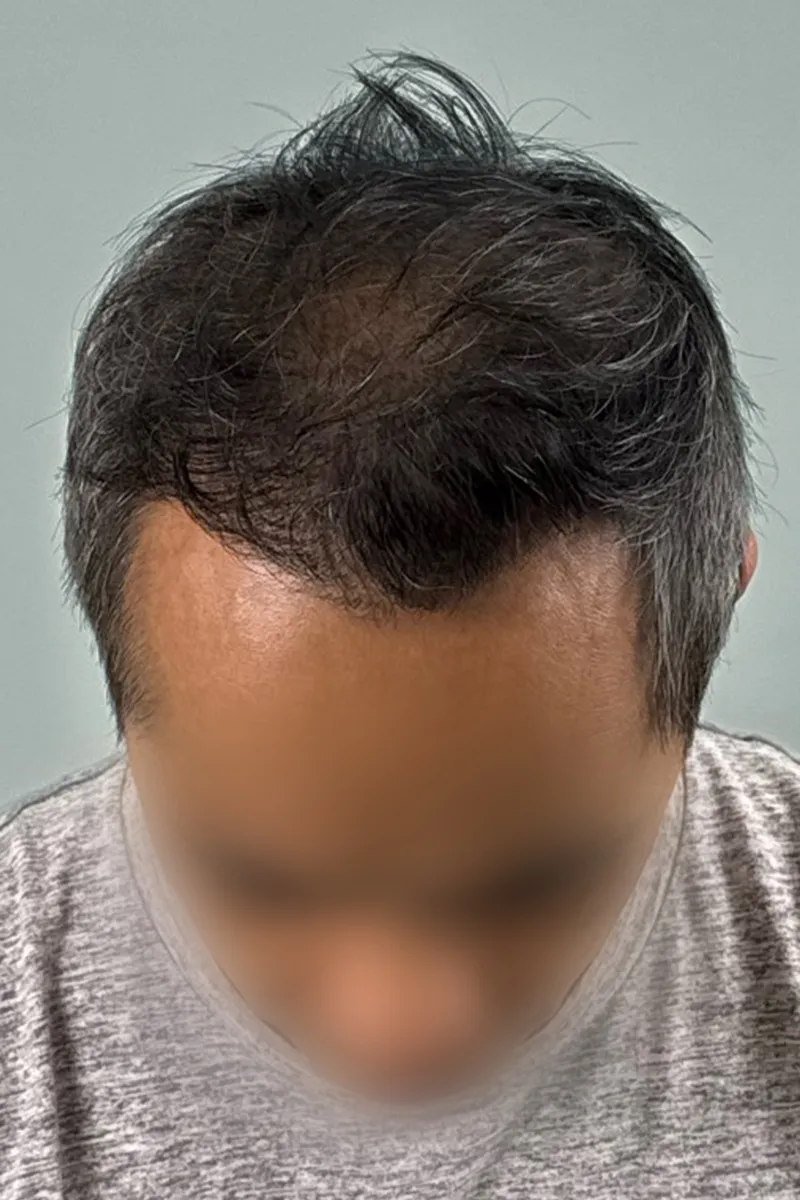
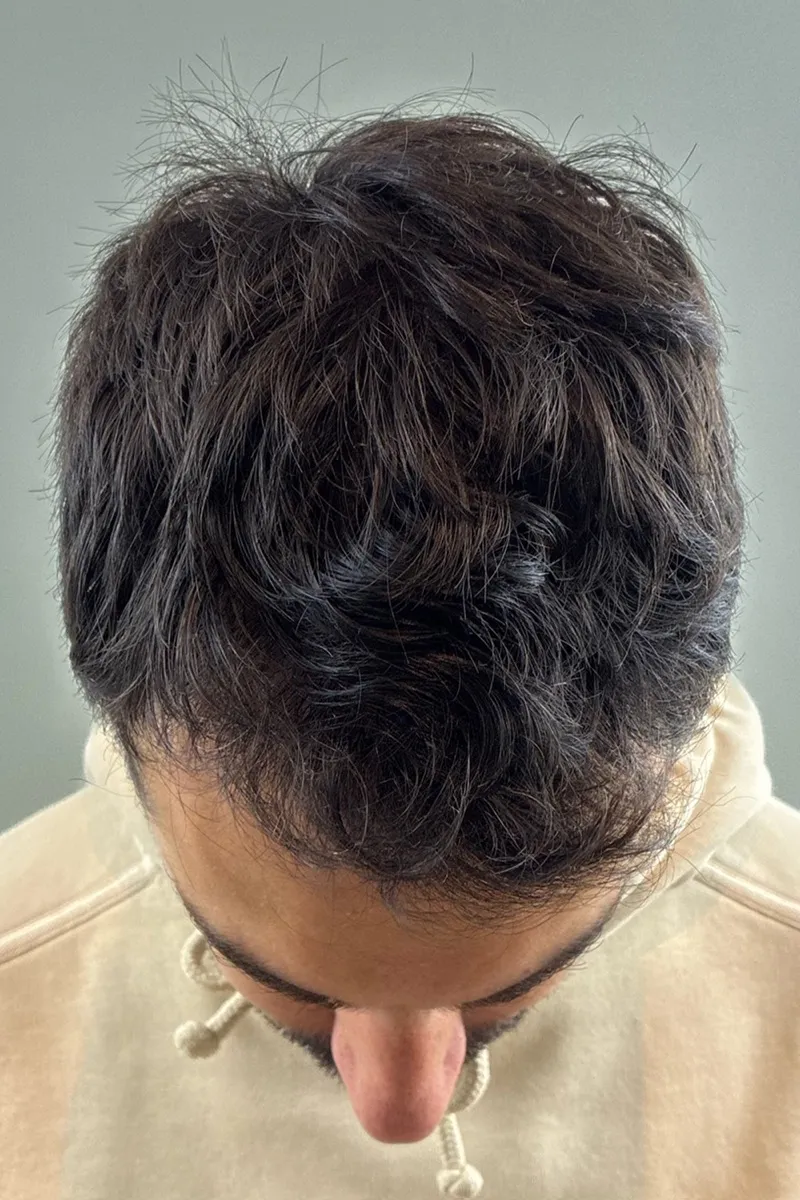 Before After
M.
Result at 6 months: the recessions are softened and the frontal zone regains volume, for a coherent, natural result.
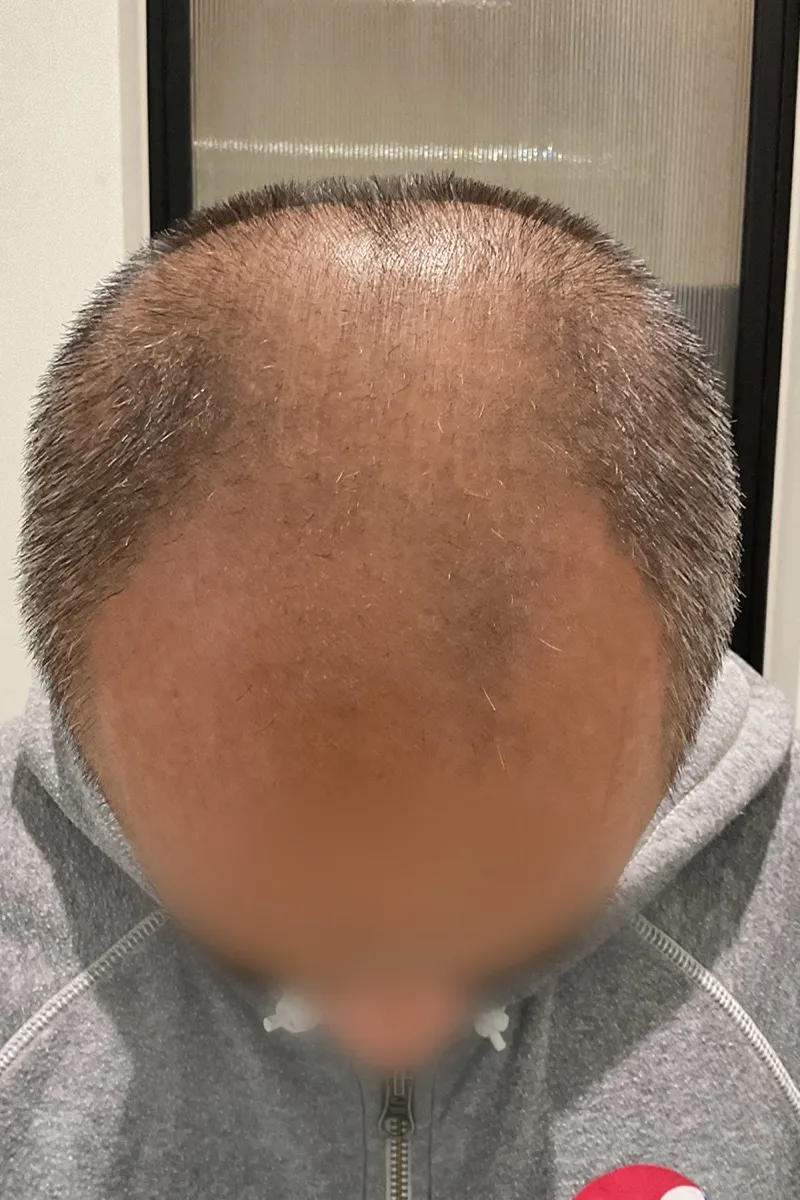
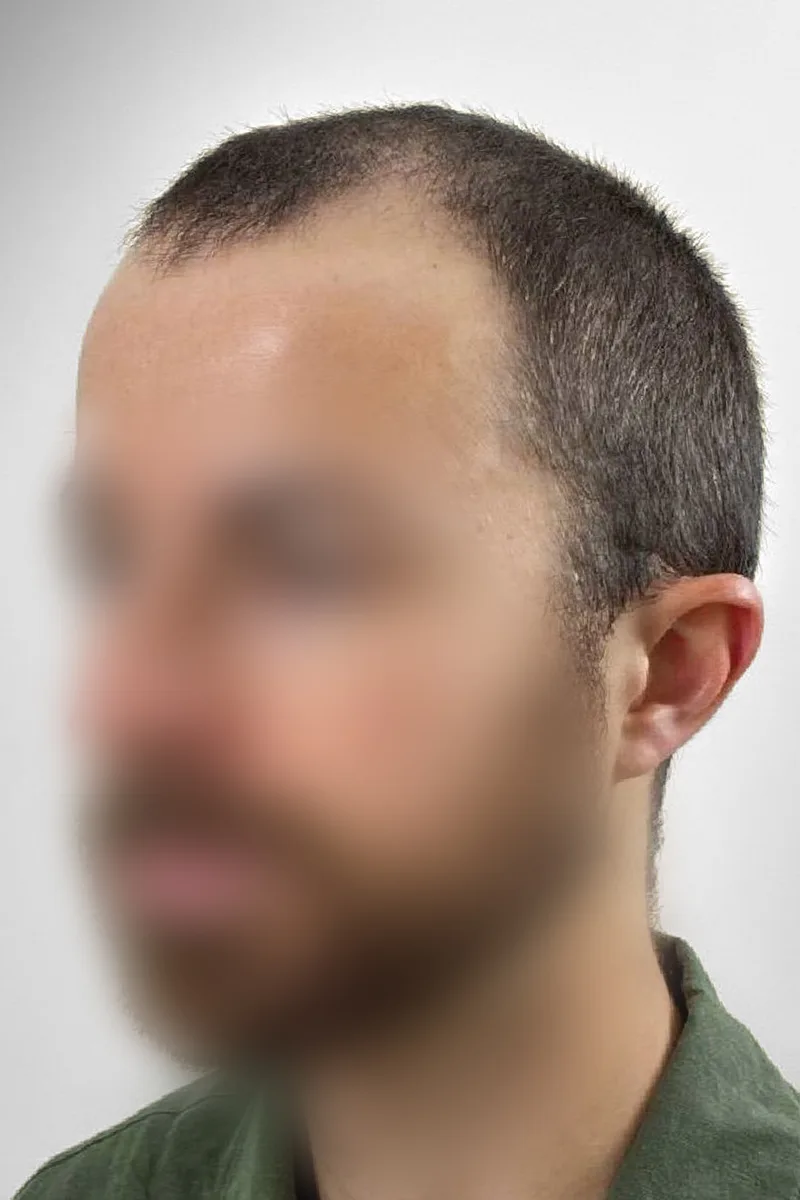
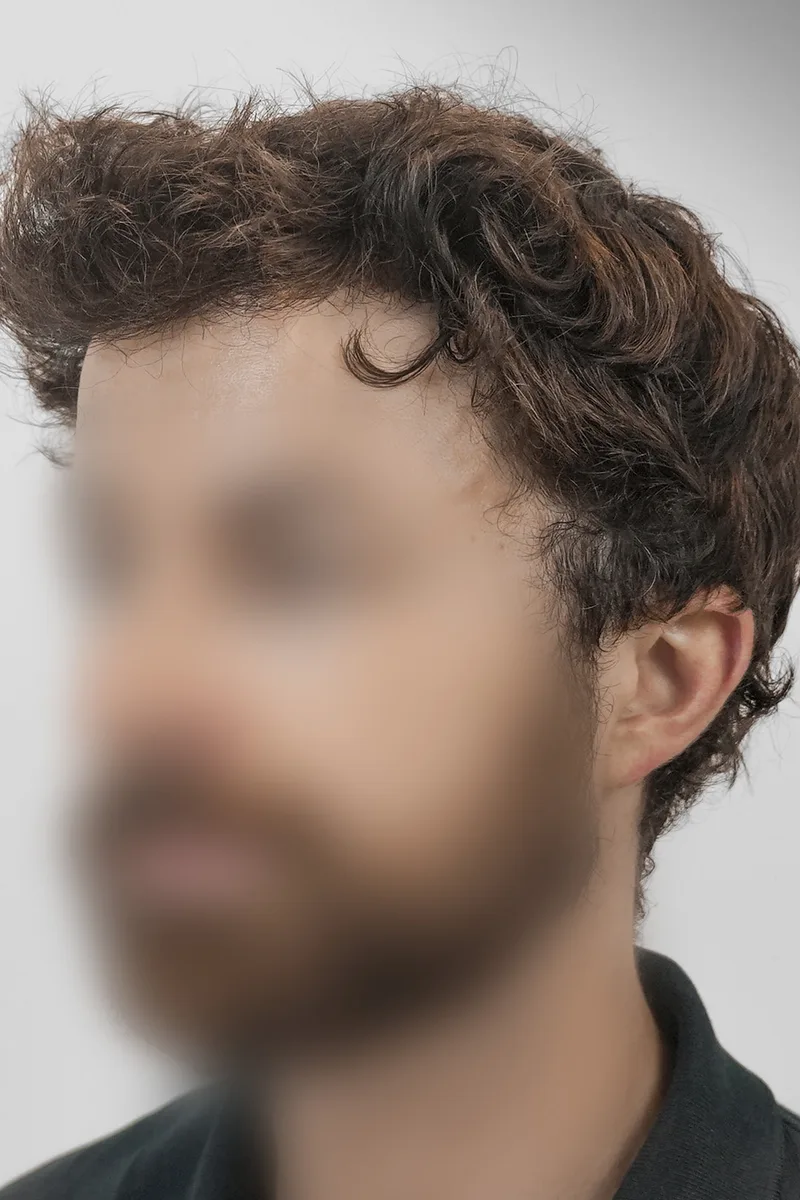
 Before After
V.
Result at 12 months: a redefined hairline, restored zones and even density across the entire front third of the scalp.
 Before After
P.
Result at 8 months: a rebuilt hairline, filled-in recessions and markedly strengthened density, with a natural, coherent result.
Price matters, but only once the projects are comparable
Istanbul is known for a broad range of hair-transplant offers, including clinics built around international package models.
Paris also contains clinics operating at very different price points.
A headline price therefore tells only part of the story.
Before comparing costs, establish whether the quotations include the same:
- recipient areas;
- graft strategy;
- level of follow-up;
- medical assessment;
- and postoperative pathway.
A less expensive transplant is not automatically poor quality.
A more expensive transplant is not automatically better.
The price becomes meaningful only once you understand what is actually being proposed. Regenae publishes its transplant pricing openly.
Consider the travel experience, but keep medicine first
Many patients are perfectly comfortable travelling abroad for medical care.
Practical considerations may include:
- travel time;
- accommodation;
- the number of days away from home;
- ease of communication;
- postoperative instructions;
- and what happens after returning home.
Some international clinics offer bundled hotel and transfer packages.
Others focus mainly on the medical procedure and leave travel arrangements to the patient.
Neither model is inherently better.
The important point is knowing exactly what support is included before you travel.
Ask what happens after you leave the clinic
Hair-transplant growth develops over many months.
The quality of follow-up therefore matters long after the procedure itself.
Before booking, ask:
- who you contact after the transplant;
- what follow-up is planned;
- how progress is reviewed;
- whether remote follow-up is available;
- and what should happen if a physical medical assessment becomes necessary.
A clinic should be able to explain the pathway before you travel.

So, Paris or Istanbul?
There is no universally correct answer.
Paris may particularly appeal to patients who:
- prefer a doctor-led medical pathway;
- want treatment within easy reach of Western Europe;
- value the possibility of physical follow-up in Paris;
- prefer a specialized medical center rather than an all-inclusive travel package;
- or already have personal or professional reasons to travel to France.
Istanbul may particularly appeal to patients who:
- are comfortable travelling specifically for medical tourism;
- value integrated hotel and transport packages;
- want to choose from a very large transplant market;
- and are prepared to research individual clinics carefully.
In either case, the decision should ultimately come down to:
the clinic, the medical team, the donor strategy, the transplant plan, the results and the follow-up.
Not the flag.
The Regenae approach in Paris
At Regenae, every transplant project begins with medical assessment.
The objective is to define:
- whether transplantation is appropriate;
- which areas should be prioritized;
- how many grafts the project requires;
- how the donor area should be preserved;
- how the hairline should be designed;
- and how the strategy remains coherent if native hair continues to thin.
For international patients, this process can begin remotely before the final plan is confirmed in person in Paris.
Paris or Istanbul: frequently asked
Is Istanbul a good place for a hair transplant?
Istanbul has a very large hair-transplant market with a wide range of clinics and operating models. Quality should be assessed clinic by clinic rather than by country.
Is Paris more expensive than Istanbul?
Is a cheaper hair transplant necessarily lower quality?
Should I choose the clinic offering the most grafts?
What should I compare first?
Compare the plan, not the country.
Start with a medical assessment, in person in Paris or by video before you travel.